How to Identify and Preserve Your Vintage Tin Toys Collection
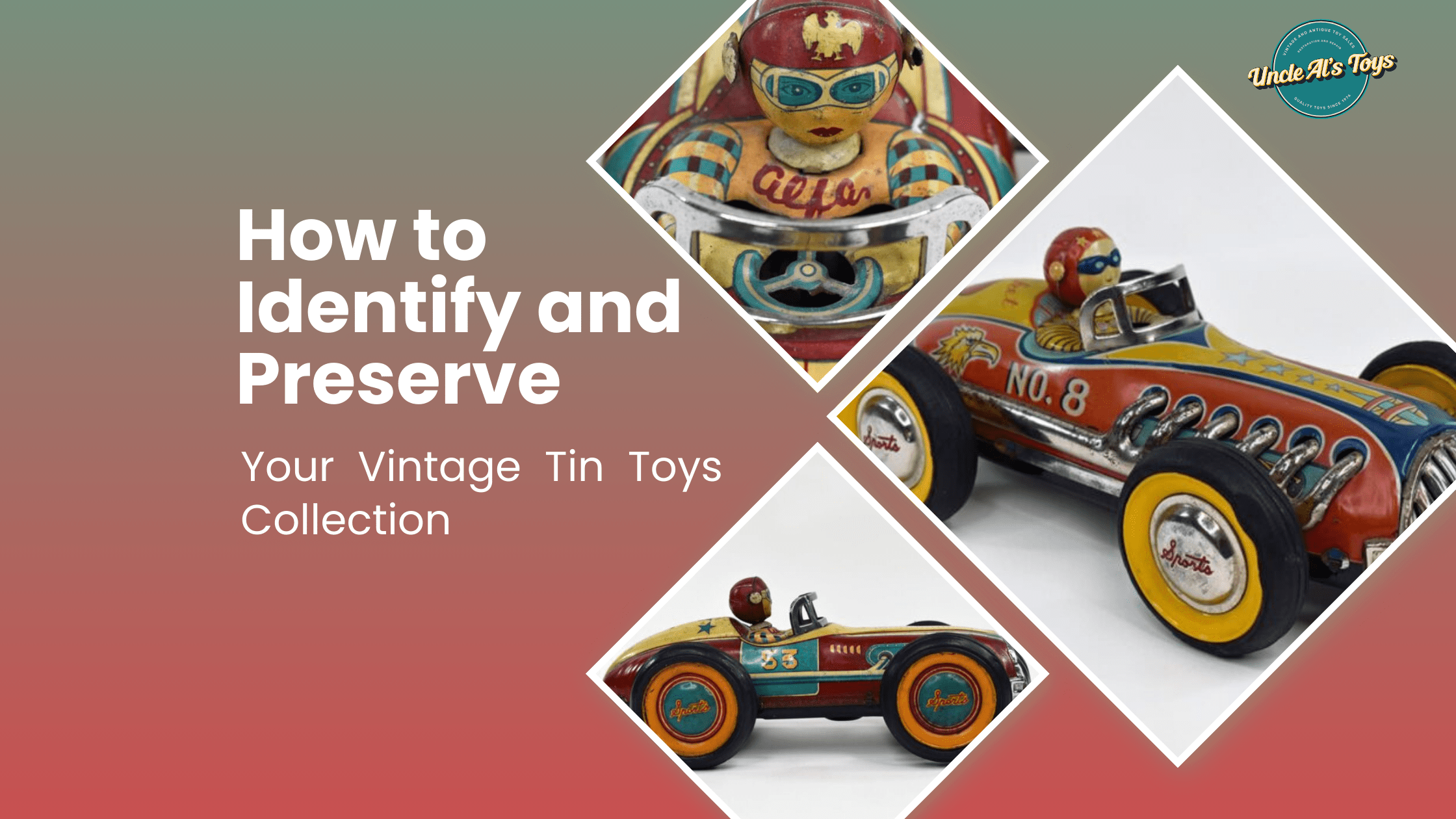
Collecting vintage tin toys is a fascinating and rewarding hobby that allows enthusiasts to relive childhood memories while appreciating the artistry and craftsmanship of bygone eras. These antique tin toys are more than just playthings; they are treasured relics of the past, reflecting the ingenuity and creativity of toymakers from the late 19th century through the mid-20th century. Many of these toys feature wind-up mechanisms, vibrant lithographed designs, and intricate moving parts, making them both visually appealing and mechanically impressive.
From early German-made tin toys to post-war Japanese robots and space-themed collectibles, the history of vintage tin toys is rich and diverse. The golden age of tin toy production saw manufacturers such as Marx, Schuco, Bandai, Lehmann, and J. Chein & Co. creating an array of vehicles, wind-up animals, and novelty figures that remain highly sought after by collectors today. Whether you have a collection of rare tin toys or are just beginning your journey into this captivating world, understanding how to identify, authenticate, and preserve these delicate treasures is essential for maintaining their value and historical significance.
In this comprehensive guide, we will explore the key factors that distinguish authentic vintage tin toys from modern reproductions, including manufacturer markings, construction techniques, and signs of age and wear. Proper preservation methods, such as preventing rust, storing tin toys in controlled environments, and using the right cleaning techniques, will also be covered to help collectors keep their toys in pristine condition. Additionally, for those who own damaged or aging pieces, we will provide insights into restoration—when to attempt DIY repairs and when to seek professional restoration services to maintain authenticity.
For collectors looking to expand their vintage tin toy collection, we will introduce a fantastic resource—Uncle Al’s Toys, a trusted retailer specializing in antique tin toys, 1950s tin toy cars, and rare wind-up collectibles. Uncle Al’s Toys offers an extensive selection of authentic tin toys, including standout pieces such as the Edward Aagaard Viking Ship Bronze, the whimsical Jenny the Balking Mule Wind-Up Toy, and the highly collectible Marx Colonel Hap Hazard Astronaut Robot.
Whether you are a seasoned collector or just beginning to explore the fascinating world of vintage tin toys, this guide will provide you with the essential knowledge and resources to build, preserve, and expand your vintage tin toys collection. Understanding how to properly identify, maintain, and restore these timeless treasures ensures their historical and monetary value remains intact. With the right approach, your vintage tin toys can continue to captivate collectors and enthusiasts alike, becoming cherished pieces of history passed down for generations.
Identifying Authentic Vintage Tin Toys
Understanding the Manufacturing Eras
Vintage tin toys were manufactured across different time periods, and identifying their era can provide insight into their authenticity and value.
Pre-World War II (1890s–1940s):
These antique tin toys were primarily made in Germany, Japan, and the United States. They were often hand-painted or lithographed with intricate designs and clockwork mechanisms.
Post-World War II (1950s–1970s):
The rise of Japanese manufacturers such as Masudaya, Bandai, and Nomura led to an increase in colorful, space-themed tin toys, including wind-up robots, cars, and airplanes.
Modern Reproductions (1980s–Present):
Some manufacturers create replicas of classic vintage tin toys, often with minor differences in lithography quality, material, or markings.
Examining Markings and Stamps
Genuine vintage tin toys often have distinct markings that help in authentication, such as:
• Manufacturer’s logo or name (e.g., Marx, Schuco, Bandai, Lehmann, or J. Chein & Co.)
• Country of origin (e.g., “Made in Japan,” “Germany,” or “U.S.A.”)
• Serial numbers or model numbers
•Lithographed logos seamlessly integrated into the toy’s design
Inspecting the Material and Construction
- Lithographed Tin:Authentic antique tin toys feature detailed lithographed images rather than stickers or decals.
- Seams and Joints: Look for folded, crimped, or spot-welded seams—modern reproductions often use glue or screws.
- Wind-Up Mechanisms: Many original rare tin toys use wind-up keys, gears, or clockwork mechanisms for functionality.
Checking for Signs of Age and Wear
Authentic vintage tin toys may show signs of aging, such as minor rusting, fading, or chipped paint. However, excessive rust, new-looking screws, or modern paint jobs may indicate a reproduction.
Preserving Your Vintage Tin Toys
Proper Storage Techniques
- Avoid Humidity: Store antique tin toys in a cool, dry environment to prevent rust.
- Use Acid-Free Tissue Paper:Wrap each toy individually to prevent scratches.
- Avoid Direct Sunlight: Prolonged exposure can cause fading and deterioration of the lithographed designs.
- Store in Display Cases: Glass display cases protect vintage tin toys from dust and potential physical damage.
Cleaning and Maintenance
- Dust Regularly:Use a soft microfiber cloth to remove surface dust.
- Mild Soap Solution:Lightly dampen a cloth with a mild soap solution to clean dirt buildup.
- Rust Prevention: Apply a tiny amount of oil to affected areas with a cotton swab.
- Lubricate Mechanisms: Apply a small amount of clock oil to wind-up gears to keep them functioning smoothly.
- Inspect for Pests: Occasionally check for insects or rodents that may cause damage.
Handling with Care
- Use Cotton Gloves:Oils from your hands can cause oxidation over time.
- Avoid Dropping:Tin toys are fragile, and dents can significantly decrease their value.
- Keep Away from Young Children: While vintage tin toys are fun, they are collectibles and should be managed gently.
Restoring Vintage Tin Toys
If your rare tin toys show signs of damage, restoration can bring them back to life. However, be cautious, as improper restoration can decrease their value.
Assessing the Damage
Determine whether restoration is necessary. Small scratches or faded paint might be best left alone, while rusted or dented pieces may require attention.
Professional vs. DIY Restoration
- Professional Restoration:Experts can repair wind-up mechanisms, repaint original designs, and remove rust without damaging authenticity.
- DIY Approach:Minor cleaning, rust removal with fine-grade steel wool, and careful touch-up painting can be done at home with patience.
Replacement Parts
Uncle Al’s Toys offers tin toy replacement parts, including wind-up keys, wheels, and gears. If you need authentic parts to restore a 1950s tin toy car or an antique tin toy car, this is the perfect place to look.
Expanding Your Vintage Tin Toy Collection
If you are looking to add more vintage tin toys to your collection, consider the following:
Shopping at Trusted Collectible Toy Shops
Uncle Al’s Toys has a vast selection of genuine tin toys, from wind-up robots to antique tin toy cars. Some standout pieces include:
- Edward Aagaard Viking Ship Bronze
- Jenny the Balking Mule Wind-Up Toy
- Marx Colonel Hap Hazard Astronaut Robot
- 1920s Buffalo Toys Hy-Lo Ferris Wheel No. 53
Attending Collectible Toy Shows and Auctions
Many rare tin toys are found at vintage toy fairs, estate sales, and online auctions.
Networking with Collectors
Joining forums, Facebook groups, and collector communities can help you find exclusive deals and learn about upcoming sales.
Conclusion
Vintage tin toys are more than just nostalgic relics—they are cherished collectibles that deserve proper care and attention. Whether you are identifying, preserving, or restoring your collection, following these expert tips will help you maintain their value for years to come. Be sure to visit Uncle Al’s Toys to explore a fantastic selection of antique tin toys and rare collectibles.


Comments
Post a Comment